
Featured Case
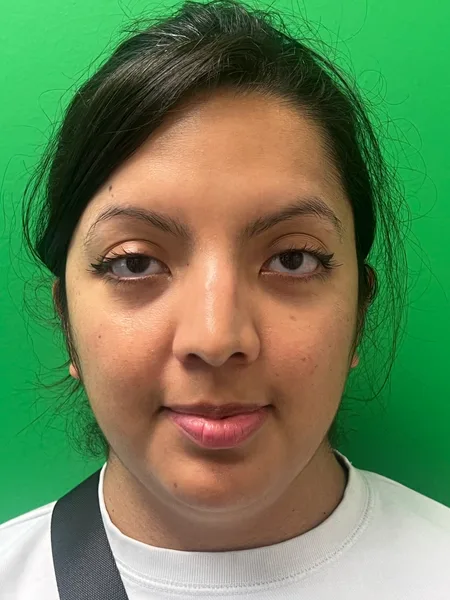
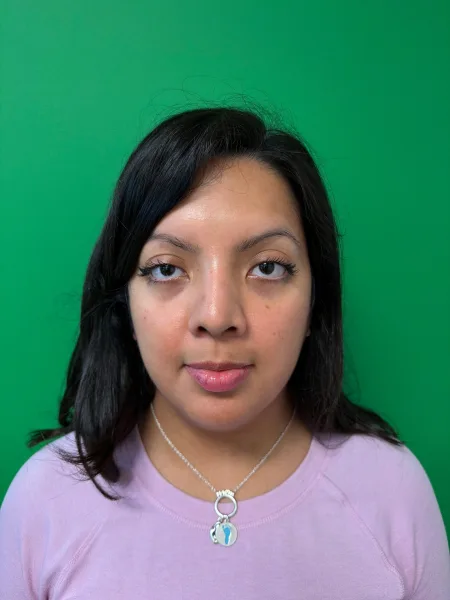
Follow one rhinoplasty result from before surgery through one month and six months to see how swelling fades and definition becomes easier to read over time.
Jump to page sections
Representative Result
Representative photography shows the practice’s result style, while consultation clarifies what may be realistic for your anatomy and goals.
Rhinoplasty
Case Story
Rhinoplasty healing is easier to understand when you can compare more than one checkpoint.
Rhinoplasty does not reveal itself all at once. Swelling fades gradually, contours sharpen over time, and the nose can look different from one stage of healing to the next.
This sequence gives patients a more realistic way to read recovery. Instead of focusing on a single after photo, it shows how refinement becomes more visible from one month to the six-month checkpoint.
Procedure
Rhinoplasty
This result sits within the broader treatment category shown here, while consultation is where anatomy, fit, and goals become personal.
Photo Set
Before / 1 Month / 6 Months
The timing on these photos matters, especially when healing stage or view selection can change how a result should be interpreted.
Focus
Healing timeline
This sequence is most helpful for seeing how swelling settles and definition becomes easier to read over time.
At A Glance
A quick read on the treatment shown, the timing of the photos, and what stands out most in this result.
Why It Matters
This sequence helps patients understand why timing and view selection matter so much in rhinoplasty photography.
Consultation
The best next step after reviewing photos is a consultation focused on your anatomy, priorities, and timeline.